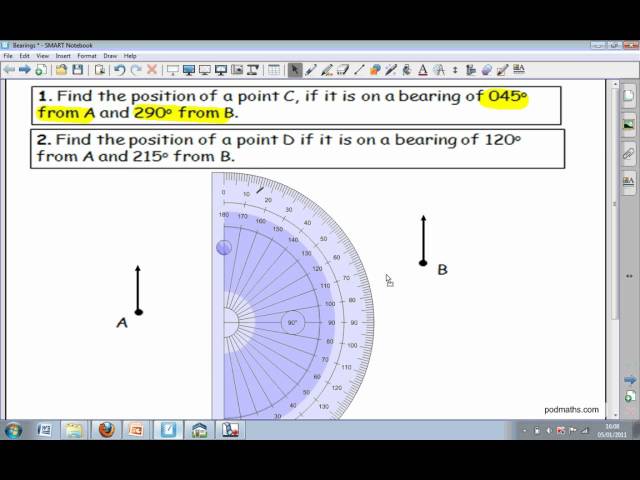
Angles and lines: types, intersections, circles, bearings and route diagrams are maths skills that are commonly tested in 11+ and Selective School exams in the UK.
Examples
Example Question 1:
Which two lines are perpendicular to each other?

Answer: A and C
Explanation: Perpendicular lines meet at a right angle (90°).
Example Question 2:
Calculate the angles A, B, C and D.

Answers: A = 70°, B = 35°, C = 60°, D = 60°
Explanation: All the internal angles in any type of triangle add up to 180°
A is in an isosceles triangle with one of the equal angles of 55°. So 55° + 55° = 110° and 180° – 110° = 70°
B is in a scalene triangle. 110° + 35° = 145°. So 180° – 145° = 35°
C is in an equilateral triangle so all the angles are 60°
D is in a right-angled triangle. 90° + 30° = 120°. So 180° – 120° = 60°
Example Question 3:
Calculate angle Χ

Answer: 110°
Explanation: Angle X and the angle of 70° would make a straight line of 180° (co-interior angle). So 180° – 70° = 110°. Or you could spot that angle X is a corresponding angle the same as the angle of 110°.
Video Tutorials
Interior Angles in Polygons
Change Cookie Settings
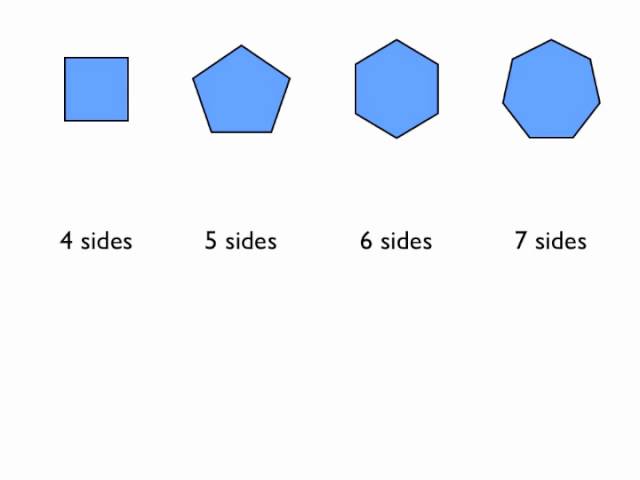
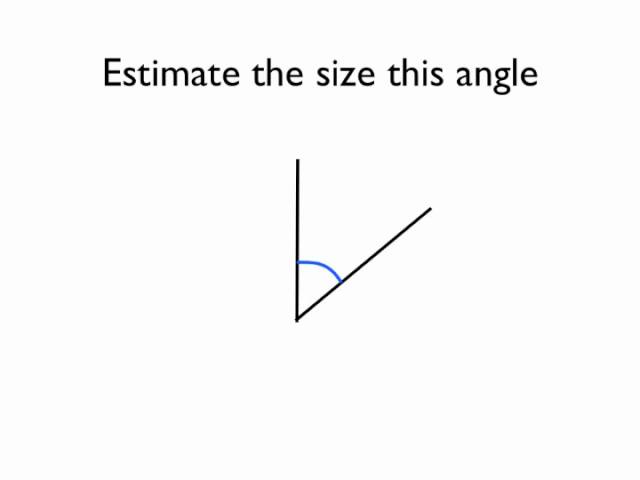
Estimating Angles
Change Cookie Settings
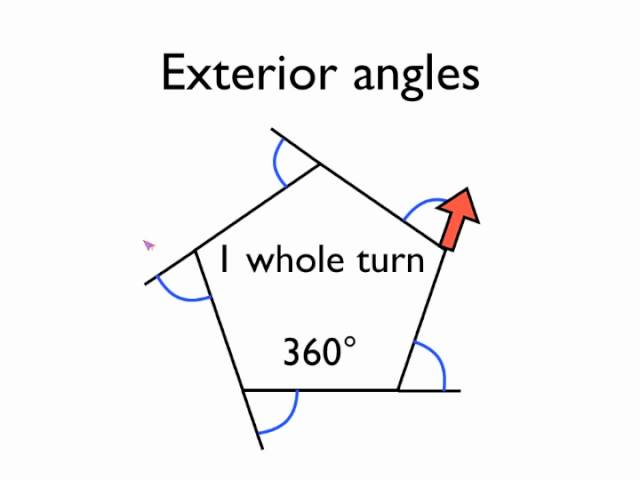
Exterior Angles
Change Cookie Settings
Co-interior Angles
Change Cookie Settings
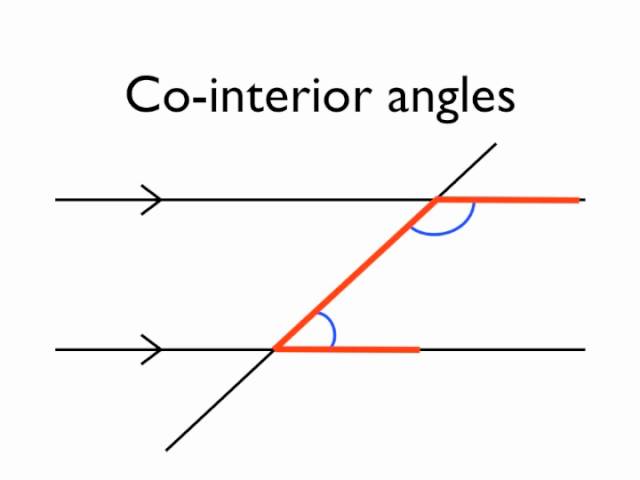
Corresponding Angles
Change Cookie Settings

Alternate Angles
Change Cookie Settings

Vertically Opposite
Change Cookie Settings
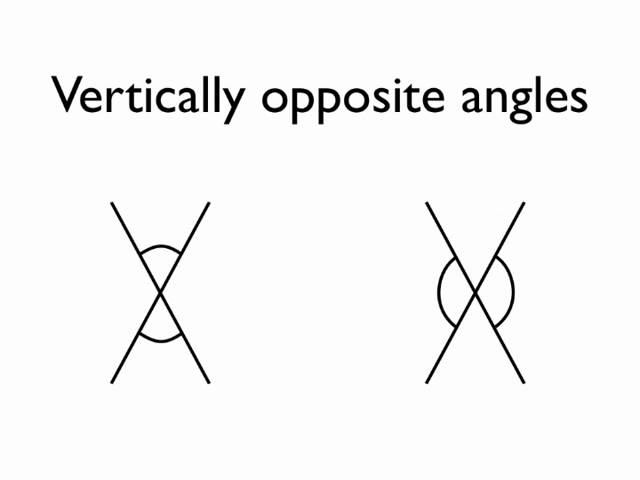
Straight Line
Change Cookie Settings

Around a Point
Change Cookie Settings
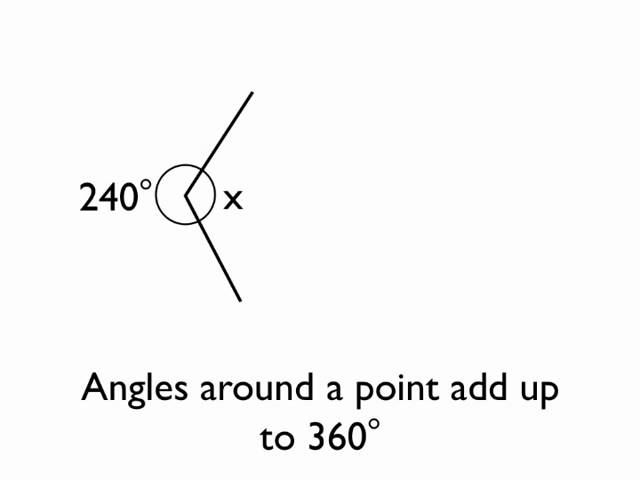
Bearings
Change Cookie Settings