Inverse Operations is a maths skill that is commonly tested in 11 plus exams and UK selective tests.
Examples
Inverse operations in sums
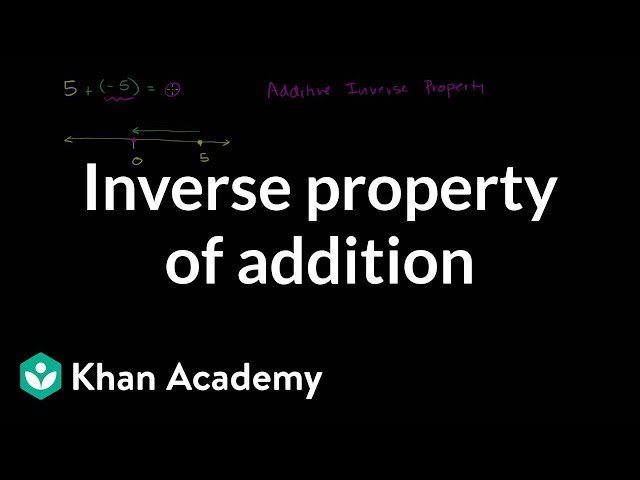
Inverse operations are the opposites: Addition and subtraction are opposites & multiplication and division are opposites.
Example Question 1:
4579 + ___ = 4596
Answer: The missing value is 17.
Explanation: To find the answer do the inverse operation, which is to subtract, so 4596 – 4579= 17.
Example Question 2:
___ – 348 = 45
Answer: The missing value is 393.
Explanation: To find the answer do the inverse operation, which is to add, so 348 + 45 = 393.
Example Question 3:
___ x 23 = 207
Answer: The missing value is 9.
Explanation: To find the answer do the inverse operation, which is to divide, so 207 divided by 23 = 9.
Example Question 4:
___ ÷ 3 = 103
Answer: The missing value is 309.
Explanation: To find the answer do the inverse operation, which is to multiply, so 103 x 3 = 309.
Inverse operations in algebra
To calculate the value of a letter in equations you will need to do an inverse operation on the number, letter or both.
Example Question 5:
Find the value of x if 3x + 3 = 18.
Answer: x = 5
Explanation: Move the 3 to the other side of the equation and the +3 becomes -3. 3x = 18 – 3 which is 15, 3x = 15, so x = 5
Example Question 6:
Find the value of a if 3a + 7 = 21 + a
Answer: a = 7
Explanation: Move the +7 to the right of the equation to join with the 21. The +7 becomes -7. Also move the +a to the left of the equation to join with the 3a. The +a becomes -a so 3a – a = 21 – 7. Do the sums on each side 2a = 14, so a = 7.
Video Tutorials
Inverse of Multiplication
Change Cookie Settings

Inverse of Addition
Change Cookie Settings