The use of prefixes, suffixes & root words is often examined in 11 plus exams.
A prefix is group of letters that is added to the beginning of a word to change the meaning of the word.
A suffix is a group of letters that is added to the end of a word to change the tense of the word or the form of the word into an adjective, adverb and noun.
The root word is the word to which a prefix or suffix is added.
Examples
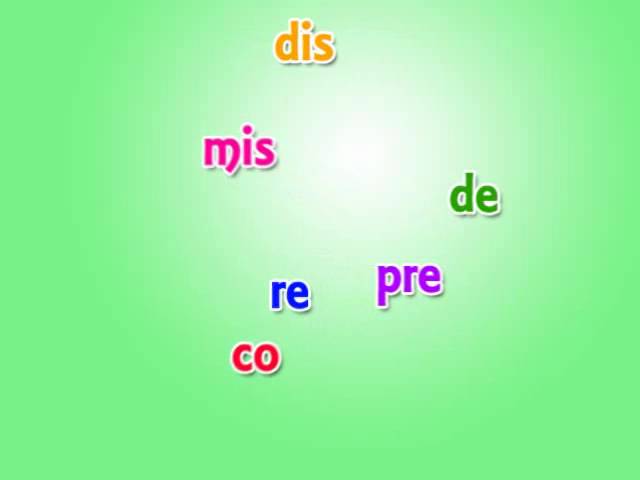
Examples of commonly used prefixes:
un-, de-, re-, pre-, anti-, fore-, in-, im-, il-, non-, over-, under-, super-, trans-, mid-, inter-, ir-, dis-, hyper-, uni-
unpaid, decontaminate, prehistoric, antibiotic, foreground, inappropriate, improper, illegal, nonsense, overground, undersea, superman. transport, intercontinental, irregular, disorganised, hypersensitive, unicycle
Examples of commonly used suffixes:
Note that when a suffix is added you may have to apply a suffix spelling rule which removes the last ‘e’, or last letter, and sometimes requires the doubling of a consonant before adding on the suffix. e.g. woke = woken, hum = humming
-able, -ible, -al, -ial, -ed, -en, -er, -est, -ful, -ic, -ing, -less, -ness, -ly, -ment, -ion, -tion, -ation, -ive, -ous, -ist
comfortable, sensible, seasonal, sacrificial, clinical, formed, spoken, teacher, smallest, hopeful, poetic, fuming, joyless, kindness, lovely, fulfilment, occasion, attention, consideration, attentive, virtuous, cyclist
Examples of root words with a prefix and suffix added:
uncomfortable, undependable, disobeying, disagreement, unreadable,unsupportable, malnourished
Video Tutorials:
Prefixes (American)
Change Cookie Settings
Suffixes
Change Cookie Settings

Prefixes and suffixes
Change Cookie Settings

